Reptile Nutrition
Recommended Diet for Captive Iguanas
Current feeding guidance for green iguanas (Iguana iguana), emphasizing a varied herbivorous diet, calcium balance, UVB exposure, and appropriate hydration.
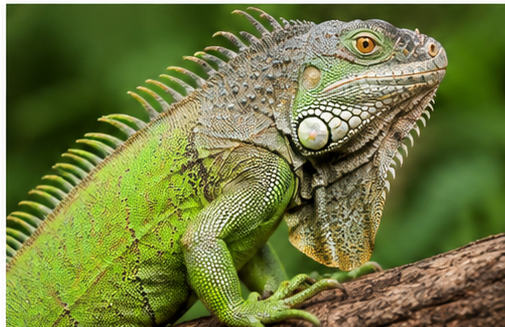
Diet Overview
Green iguanas are herbivorous lizards. Their captive diet should be based on a variety of plant foods rather than insects, meat, dog or cat food, or other animal-protein sources.
The diet should emphasize calcium-rich leafy greens and other vegetables. Fruit should be a small part of the total diet. Variety is important because no single vegetable provides an ideal nutrient profile.
Good nutrition must be combined with appropriate temperature, UVB lighting, humidity, and hydration. Nutritional secondary hyperparathyroidism—often called metabolic bone disease—is common in reptiles maintained with inadequate calcium, vitamin D physiology, UVB exposure, or temperature.
Feeding by Life Stage
- Hatchlings and juveniles: offer fresh food daily. Finely chop or shred food so smaller iguanas can eat a varied mixture rather than selecting only preferred pieces.
- Adults: offer a substantial fresh salad daily; some mature, less-active adults may be maintained with slightly smaller portions or occasional every-other-day feeding if body condition is appropriate.
- Breeding or egg-producing females: require particularly careful attention to calcium intake, UVB exposure, hydration, and body condition.
Monitor body condition rather than feeding strictly by age or length. Growing iguanas should grow steadily without becoming obese, while adults should remain well muscled without excessive fat deposits.
Leafy Greens: The Foundation of the Diet
Use a rotating mixture of dark leafy greens with a favorable calcium profile. Good choices include:
- collard greens;
- mustard greens;
- turnip greens;
- dandelion greens and flowers from pesticide-free sources;
- escarole and endive;
- watercress;
- bok choy;
- kale in rotation with other greens.
Spinach, Swiss chard, and beet greens are relatively high in oxalates and should not be major staples. Iceberg lettuce contains mostly water and provides little nutritional value.
Other Vegetables
Mix several vegetables with the leafy greens to increase variety, fiber, carotenoids, and other nutrients. Suitable choices include squash, zucchini, green beans, okra, bell peppers, shredded carrot, sweet potato, peas in moderation, broccoli in rotation, and prickly pear cactus pads with all spines removed.
Wash produce thoroughly. Chop or shred it to an appropriate size and mix the ingredients together so the iguana is less able to select only favorite foods. Serve fresh food at room temperature and remove spoiled or contaminated leftovers promptly.
Fruit
Fruit should be a small part of the diet rather than a major ingredient. A useful target is no more than about 5% of the overall diet. Small amounts of papaya, mango, berries, melon, apple, pear, fig, or similar fruits can provide variety and may help encourage appetite.
Large amounts of fruit dilute the more important leafy-green and vegetable portion of the diet and add unnecessary sugar.
Calcium, Vitamins, and UVB Lighting
Green iguanas require an appropriate calcium-to-phosphorus balance and reliable UVB exposure. Dietary vitamin D alone may not prevent bone disease in this species; UVB exposure is particularly important for normal vitamin D metabolism and calcium regulation.
UVB lighting
- Provide a high-quality reptile UVB source as part of the daytime lighting system.
- A photoperiod of approximately 12 hours of light daily is a reasonable general maintenance schedule.
- Follow the lamp manufacturer's recommended distance and replacement schedule.
- Glass and most clear plastics block useful UVB and should not be positioned between the UVB source and the iguana.
- Whenever practical and safe, unfiltered natural sunlight is an excellent UVB source.
Calcium and multivitamins
If the diet is primarily fresh produce, lightly dusting food with a plain calcium supplement several times each week is commonly used. Growing iguanas and egg-producing females may require more frequent calcium support. The appropriate amount depends on the total diet and husbandry.
Use reptile multivitamins conservatively. Excessive vitamin D, vitamin A, calcium, and other supplements can be harmful. Routine high-dose vitamin D supplementation is not a substitute for proper UVB exposure.
Commercial Herbivore Diets
A well-formulated commercial herbivorous-reptile pellet can be useful as part of the diet, particularly when its nutrient composition is clearly stated. Commercial products should not automatically be assumed to be complete simply because they are marketed for iguanas.
Fresh leafy greens and vegetables should remain an important part of the feeding program. When using a commercial diet, follow the manufacturer's storage directions and adjust calcium or vitamin supplementation so nutrients are not duplicated excessively.
Water and Hydration
Fresh, clean water should be available at all times. Use a sturdy dish that can be cleaned easily and replaced whenever contaminated.
Hydration also depends on appropriate environmental humidity and overall husbandry. Chronic dehydration may contribute to renal disease and gout in susceptible reptiles, so water availability should not be treated as an afterthought.
Foods to Avoid or Limit
- Animal protein: do not routinely feed insects, eggs, meat, mice, dog food, cat food, trout chow, or primate diets. Green iguanas are herbivores, and high-protein diets are inappropriate.
- High-oxalate greens: limit spinach, Swiss chard, and beet greens rather than using them as staples.
- Fruit: keep fruit to a small proportion of the total diet.
- Iceberg lettuce: avoid as a major food because of its poor nutrient density.
- Processed human foods: avoid foods high in salt, sugar, fat, or seasoning.
- Potentially toxic plants: do not feed unidentified garden or house plants.
Sample Daily Salad
A typical meal might combine collard and mustard greens with dandelion or escarole, plus chopped squash, green beans, bell pepper, and a small amount of shredded carrot. A few pieces of papaya or berries can occasionally be added as the fruit portion.
Rotate ingredients through the week instead of feeding the same salad every day. The goal is a varied herbivorous diet with leafy greens and vegetables dominating the meal.
Selected References
- Merck Veterinary Manual. Nutrition in Reptiles.
- Merck Veterinary Manual. Management and Husbandry of Reptiles.
- Merck Veterinary Manual. Nutritional, Metabolic, and Endocrine Diseases of Reptiles.
- Mader's Reptile Medicine and Surgery, current principles of green iguana nutrition and husbandry.